Salons, barbershops and spas
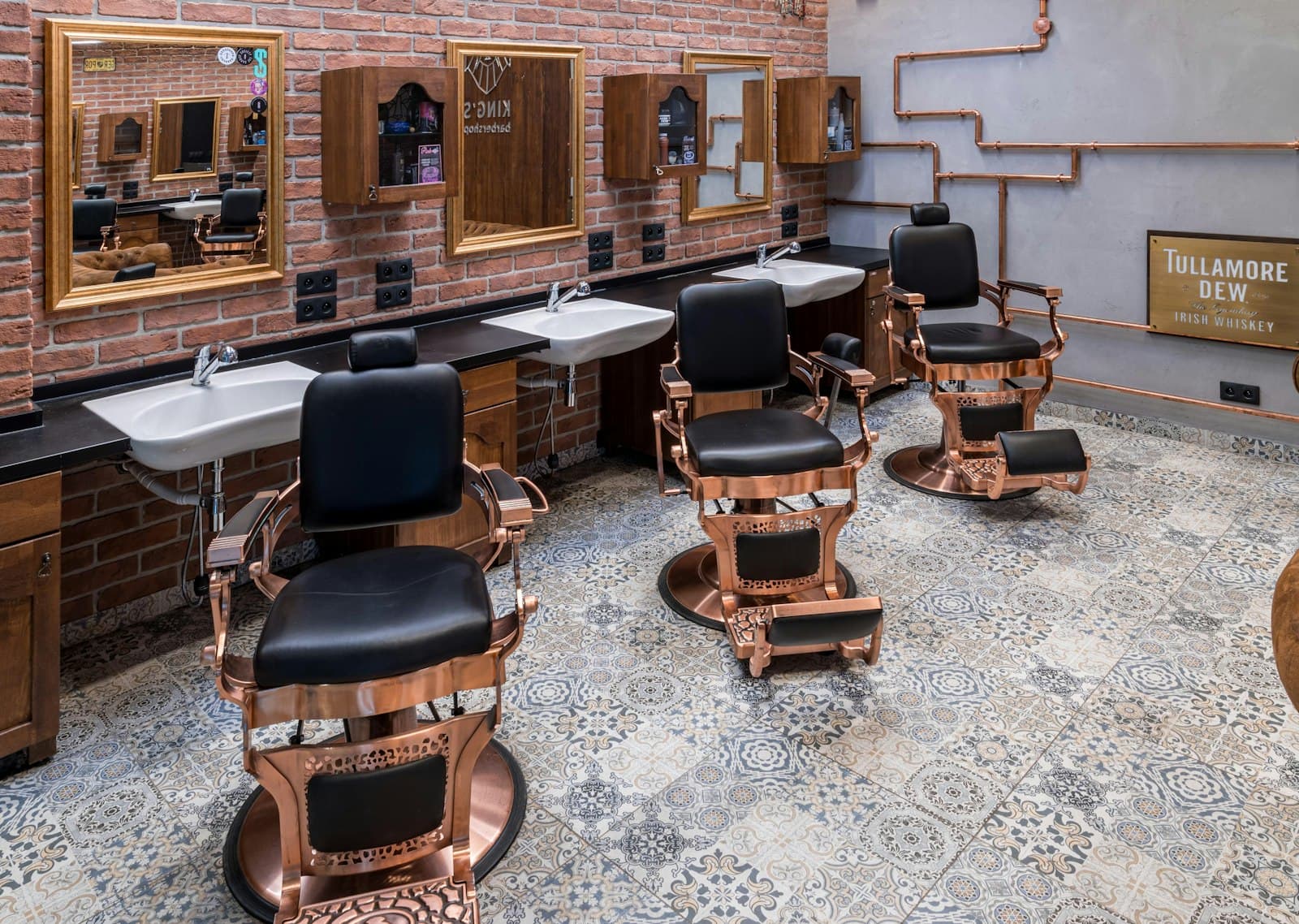
Accounting for Chicago Salons and Barbershops
Booth renters, tips and retail product sales.
Common mistakes in this industry
- A booth renter who uses your products, keeps your hours and books through your system is an employee in practice, and a reclassification reaches back through every open quarter.
- Retail product sales are taxed and the service is not, so a shop selling shampoo at the counter needs a sales tax account even when most revenue is service.
- Card tips paid out in cash at the end of the night still run through payroll, and skipping the step understates wages at year end.
- Chair rent is rental income with its own treatment, separate from service revenue.


Salon or barbershop
Frequently asked questions
Is a booth renter an employee or a contractor?
A genuine renter sets their own hours, keeps their own client list, buys their own product and pays you rent on a written agreement. Once you set the schedule, supply the product and take the payment, the worker is an employee no matter what the agreement says.
Do I charge sales tax on a haircut?
No. Personal services are not taxed. Retail products sold at the counter are taxed at the general merchandise rate, so a shop with a retail shelf still files a sales tax return.
How do tips get handled at year end?
Tips reported by employees are wages. They are withheld on, carried through the quarterly returns and reported on the year-end wage statement. Tips paid directly to a booth renter are the renter’s own income and do not touch your payroll.
I run everything through one bank account. Is it a problem?
Yes, and it is the most common thing we fix in this trade. Personal spending in a business account weakens the liability protection of the LLC and turns every deduction into an argument. We open the separation and rebuild the year behind it.